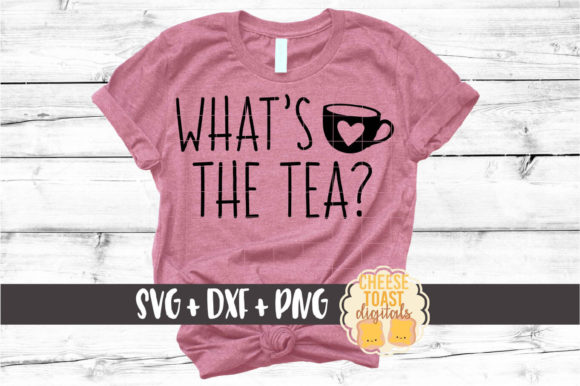
What's the Tea: A Graphic Design Asset for Crafts and Local Branding
A First Impression That Speaks Volumes
Opening the zip file of What's the Tea, I was immediately drawn to its visual language. The design carries a soft, organic feel that suggests a brand rooted in nature, simplicity, and warmth. It’s not overly complex, but it has enough detail to feel handcrafted—perfect for a local business looking to communicate authenticity.
The color palette is muted yet inviting, with earthy tones that evoke feelings of comfort and familiarity. This makes it ideal for businesses like a boutique tea shop, artisanal soap company, or handmade candle brand. The mood is gentle, suggesting a brand personality that's friendly, approachable, and slightly whimsical.
Where What's the Tea Shines in Real Business Projects
What's the Tea is a versatile graphic design asset that can be used across multiple touchpoints. For instance, imagine a small bakery using this design as a decorative element on their product packaging or as a backdrop for social media posts. Its subtle patterns and motifs could also work well as accents on hang tags, thank-you cards, or even as part of a seasonal campaign.
For a skincare brand, this design could serve as an elegant background for product labels or as a subtle pattern on promotional flyers. In a coffee shop setting, it might appear on menu graphics or as part of a branded signage system. The asset feels especially well-suited for businesses that want to convey a sense of calm, creativity, and natural beauty.
Its adaptability extends to digital use as well. As a social media manager, I can see this design being used for Instagram stories, website banners, or even as part of a Canva template for marketing visuals. The SVG format allows for easy scaling without losing quality, which is essential for both print and digital applications.
Supporting Stronger Brand Presentation
Using What's the Tea can help reinforce a consistent brand identity. Whether it's on a product label, packaging, or promotional material, this design asset contributes to clearer visual hierarchy and better product recognition. It helps create a stronger first impression, which is crucial for any local business trying to stand out in a competitive market.
Additionally, the design supports improved customer trust by offering a polished look that suggests professionalism. When a business presents itself with cohesive and thoughtful design elements, it signals reliability and attention to detail—key factors in building long-term relationships with customers.
For handmade sellers or boutique owners, this graphic design asset can elevate the overall presentation of their products. From more appealing shelf appeal to stronger emotional connections with consumers, What's the Tea adds a layer of sophistication to any branding project.
Best Use Cases for What's the Tea
This design works best as a decorative brand element, product label accent, hero graphic, or part of a seasonal campaign. It's perfect for adding a subtle yet impactful visual presence on product mockups, thank-you cards, or boutique visuals. For social media managers, it can be used as part of a larger graphic layout to enhance promotional content or campaign visuals.
It also fits well within editorial design contexts, such as printable inserts or website banners. However, it's important to consider where it might not be the best fit. For example, in formal corporate branding or luxury minimalist designs, the ornate nature of What's the Tea might compete with the clean lines and minimalism expected in those contexts.
Practical Notes from a Brand Designer
Before committing to using What's the Tea for a real project, there are a few practical steps to take. Test it on real packaging mockups to see how it interacts with other design elements. Check how it looks in black and white to ensure it still conveys the intended message without color.
Preview it on small labels to confirm legibility and test it with different brand colors to ensure compatibility. Compare it with competitor packaging to ensure it stands out while still fitting within the broader industry context. Review the print quality, especially if it will be used for physical products, and inspect the PNG transparency for digital use.
If you plan to edit the SVG or vector files, check for editability and make sure the design assets are compatible with your preferred design software. Also, test it beside various font styles—serif, sans serif, script, handwritten, and display fonts—to ensure it complements the typography without overshadowing it.
Finally, confirm the commercial license before using it for client work, business branding, or physical product sales. Ensuring proper licensing is essential for protecting both the designer and the business owner from legal issues down the line.
Final Thoughts on What's the Tea
What's the Tea is more than just a graphic design asset—it’s a tool that can help small businesses build a stronger brand identity and connect with their audience on a deeper level. Whether it's used for product labels, packaging design, or social media graphics, this design brings a unique charm that can elevate any local business's presentation.
As an experienced brand designer, I find this asset to be a valuable addition to any creative toolkit. It offers a balance between elegance and playfulness that can support a wide range of small business branding needs—from handmade crafts to food businesses and everything in between.