Waymaker Embroidery Design Review
A First Glance at Waymaker
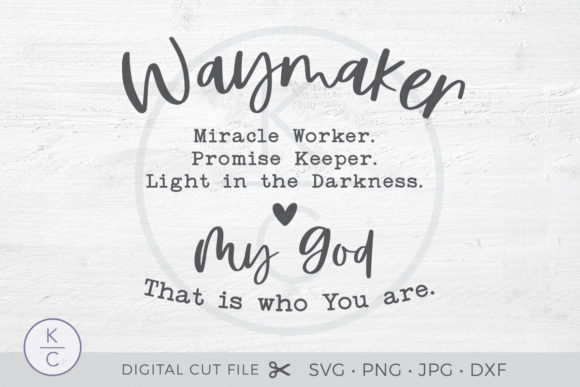
Opening the zip file for Waymaker, I was immediately drawn to its clean, modern aesthetic. The design feels balanced and intentional—something that would work well across a variety of embroidery projects. It has a subtle yet distinct visual personality that leans into minimalism without sacrificing character.
The layout is simple but effective, with smooth curves and crisp edges that suggest it could translate well into both satin stitch and fill stitch applications. The level of detail is just right for a design that needs to be versatile. It doesn’t feel too intricate to overwhelm smaller items or too plain to lack impact on larger pieces.
I can see this design fitting naturally into custom apparel like tote bags, sweatshirts, or even baby clothes. Its muted tone makes it adaptable to a range of color schemes and fabric types, which is a big plus for any craft business or Etsy seller looking for a go-to asset.
Testing Waymaker in Real Projects
To get a better sense of how Waymaker performs in real-world scenarios, I tested it on a few different materials and setups. For example, I used it as an embroidered patch on a canvas tote bag. The result was clean and professional, with no distortion or fraying. The stitching held up well, and the design remained sharp even when viewed from a distance.
Another test involved using it as part of a holiday gift—a personalized pillow cover. Here, the design’s subtlety became a strength. It didn’t overpower the fabric but instead added a touch of refinement. This kind of versatility is key for anyone creating small shop products or boutique branding.
For sweatshirt embroidery, I found that Waymaker worked best on lighter fabrics. On darker materials, the contrast wasn’t as strong, so I recommend testing thread colors before finalizing the project. A good rule of thumb is to always check how the design will look on both light and dark backgrounds.
Where to Use Waymaker with Caution
While Waymaker is a solid choice for many embroidery projects, there are certain situations where it might need extra attention. For instance, when working with small hoop sizes, the design may require adjustments to fit properly. If you're using it on curved surfaces like caps or hats, you’ll need to ensure the layout accommodates the shape without losing clarity.
On textured fabrics or thin materials, it's important to use a proper stabilizer to prevent puckering or stretching. Also, if you plan to use this design on layered garments or products that need frequent washing, consider the durability of the stitches and the type of thread used.
Tiny lettering or detailed corners in the design may not show up clearly on very small items, so keep that in mind when selecting the final placement. Lastly, while Waymaker looks great in printable mockups, always review the stitch density and thread colors to ensure they match your intended outcome.
Design Notes for Embroidery Professionals
If you’re considering Waymaker for commercial or personal use, here are a few practical tips:
- Test on scrap fabric first—this helps catch any issues before committing to a full project.
- Review stitch density and adjust if needed for different fabric types.
- Confirm hoop size requirements based on your machine and project needs.
- Inspect small details to ensure they translate well under the needle.
- Test in black and white mockups to evaluate contrast and visibility.
- Use proper stabilizer for delicate or stretchy materials.
- Check licensing terms before selling finished items or digital products.
These steps help maintain quality and consistency, especially for craft business owners or digital product sellers who rely on their designs to reflect professionalism and care.
Final Thoughts on Waymaker
Waymaker is a reliable, adaptable design that can elevate a wide range of embroidery projects. Whether you're creating personalized gifts, handmade products, or commercial embroidery, it offers a clean, modern look that’s easy to integrate into various contexts.
Its performance in real-life applications shows that it can handle everything from custom apparel to nursery decor, making it a valuable addition to any designer’s toolkit. Just remember to test it thoroughly and tailor it to your specific needs. With the right preparation, Waymaker can be a standout feature in your next project.